
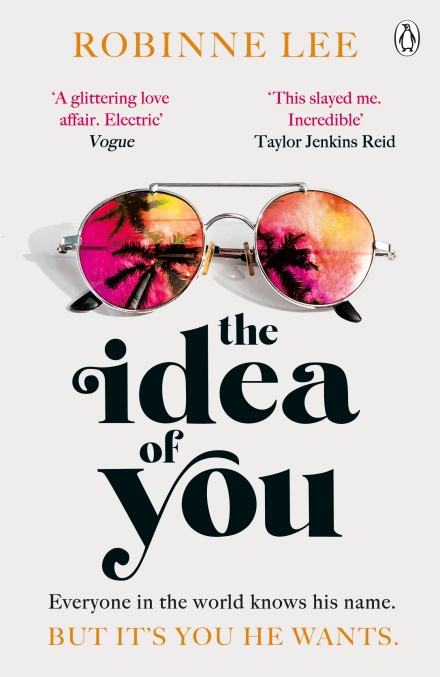
Title: The Idea of You
Author: Robinne Lee
My Review: The story follows Solène Marchand, a successful and recently divorced art gallery owner in her 40s, who unexpectedly falls in love with Hayes Campbell, a younger man in his 20s who happens to be a member of a popular boy band.
As their relationship develops, Solène and Hayes must navigate the challenges that come with their age difference, including the disapproval of Solène’s friends and family, as well as the intense scrutiny of the media and the public. The novel raises thought-provoking questions about societal norms and the double standards that exist around age differences in relationships.
I think what I liked most about the book was the love story. The romance scenes are steamy, and the chemistry between the 2 characters is undeniable. The book stayed with me long after I was done reading it.
Similarities to Conceiving Hope:
Complex Relationships: Both stories delve into the complexities of romantic relationships. In The Idea of You, Solène and Hayes navigate the challenges that come with their age gap, as well as the pressures of fame, public scrutiny, and their different life stages. Similarly, in Conceiving Hope, Margo experiences complicated romantic relationships and faces challenges in her pursuit of love and family.
Personal Growth and Self-Discovery: Both the female protagonists in The Idea of You and Conceiving Hope experience personal growth and self-discovery through their relationships. They confront their own desires, insecurities, and inner conflicts, leading to significant character development.
Unconventional Love Stories: Both narratives explore love stories that don’t fit traditional molds. They challenge societal norms and expectations surrounding romantic relationships, leading to thought-provoking and emotionally charged situations.
Romantic Drama: Both The Idea of You and Conceiving Hope involve elements of romantic drama, with twists and turns in the relationships that keep readers engaged and emotionally invested in the characters’ journeys.
It’s worth noting that while these thematic similarities exist, the specific plots, characters, and settings in both books are distinct, and each stands as a unique novel with its own narrative and character dynamics, even though they explore/share some common themes. If you enjoy the themes above, you will find that Conceiving Hope is an intriguing and emotionally resonant read.
 Olive McMahon